AgriRobust helps governments, NGOs, cooperatives, and funders build practical agricultural delivery systems that move from attendance to follow-up and from activity reporting to verified outcomes.
Phase 1 is focused on East Africa, where we can localize the service model, strengthen field operations, and prove delivery quality before wider expansion to Rest of Africa.

90-day
pilot cadence
AgriRobust starts with the operational problems that keep agricultural programs from turning intent into consistent support.
Too many agricultural programs stop at attendance. Farmers need issue-based support that continues after the session ends.
Public and partner extension teams serve too many farmers with weak tools, inconsistent workflows, and little live visibility.
Partners often receive activity summaries instead of verified delivery records that show what happened, where, and with what result.
Rural agricultural systems still depend on basic phones, local language access, and field-agent support—not app-only assumptions.
AgriRobust is built around three practical promises that connect farmer access, operational discipline, and partner trust.
Meet farmers through USSD, SMS, WhatsApp, IVR, and field-agent assisted registration in low-connectivity environments.
Turn needs into structured cases, follow-up tasks, and field workflows that help extension teams actually serve farmers.
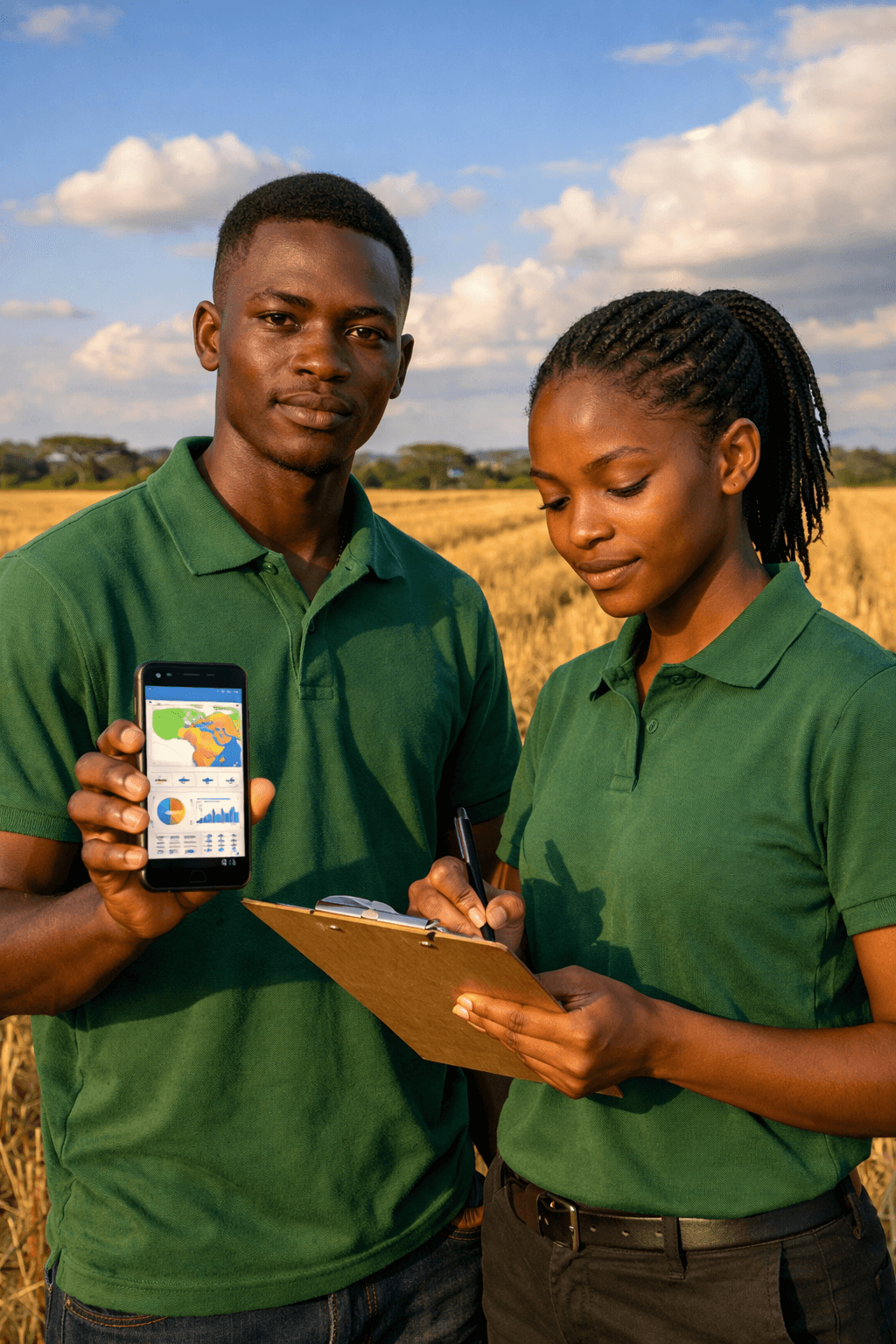
Generate trusted evidence through timestamps, geospatial checks, photo metadata, partner dashboards, and quality assurance routines.
The model is simple: capture real farmer needs, route them through disciplined workflows, and show partners what happened.
Profiles, location, language, and consent are captured through low-connectivity channels or field support.
An issue is raised through USSD, WhatsApp, SMS, or a field worker and becomes a trackable case.
The right extension worker, supervisor, or partner team receives the task based on geography and need.
Advice, visits, or referrals happen against a clear workflow instead of an informal promise to return later.
Field records, metadata, and supervisor review document what happened and what remains unresolved.
Managers and co-funders get visibility into progress, bottlenecks, and delivery quality in near real time.
These interventions show how the AgriRobust model becomes concrete, partner-ready program design.
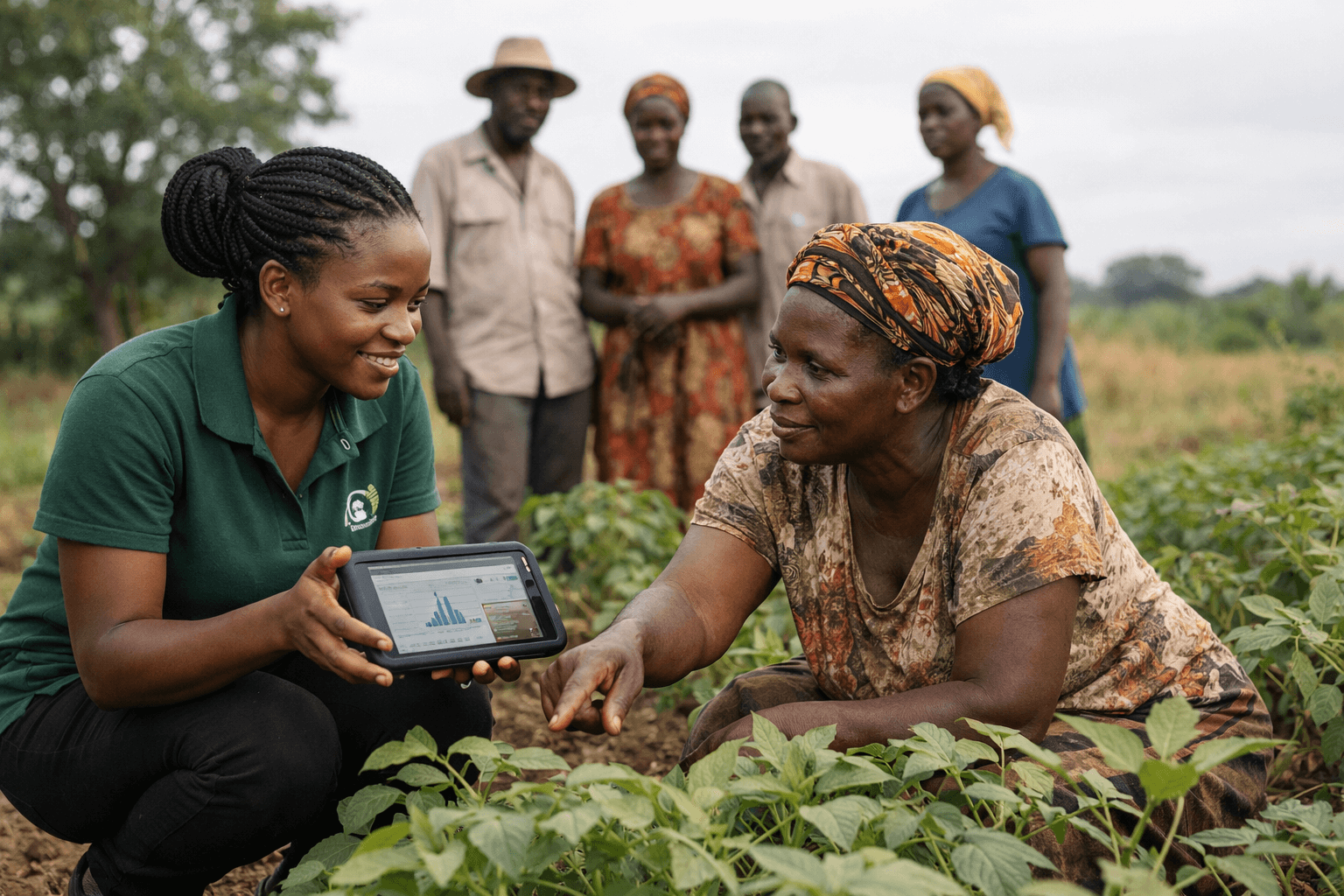
Deploy accountable farmer support systems that help public and partner extension teams register farmers, triage issues, follow up consistently, and prove delivery.
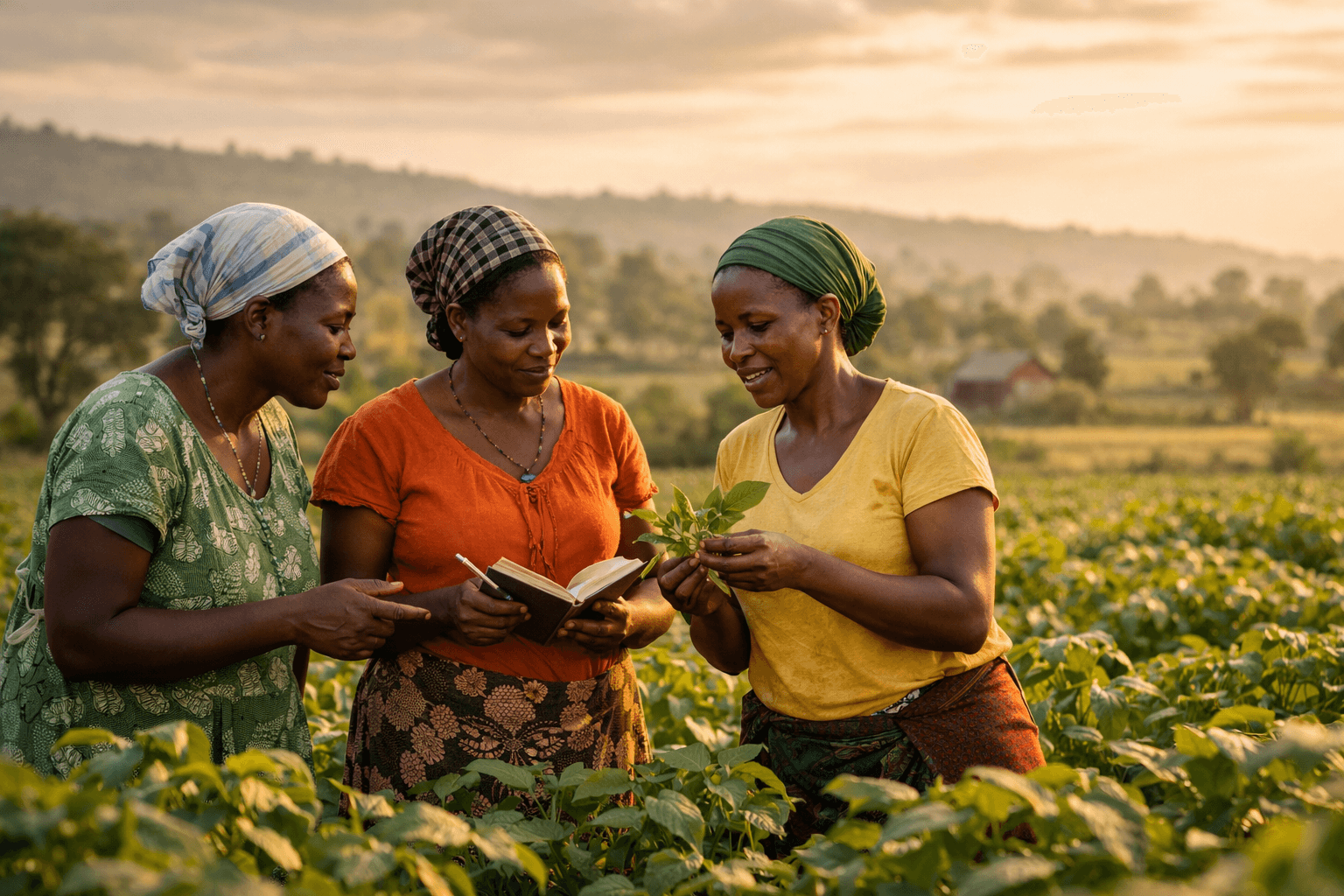
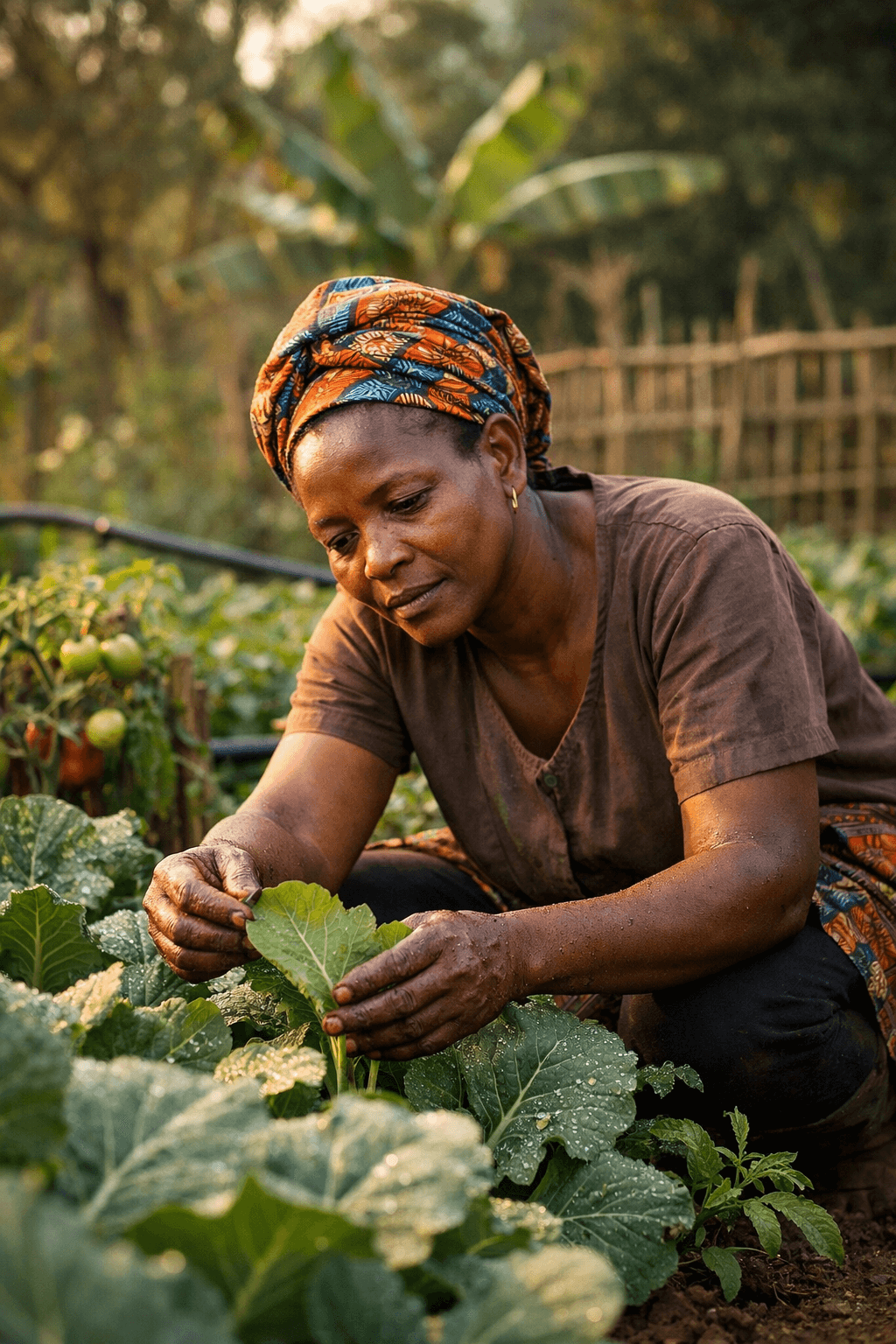
Support women-led farmer groups with localized crop advisory, issue follow-up, and evidence-backed reporting focused on resilience and household livelihoods.
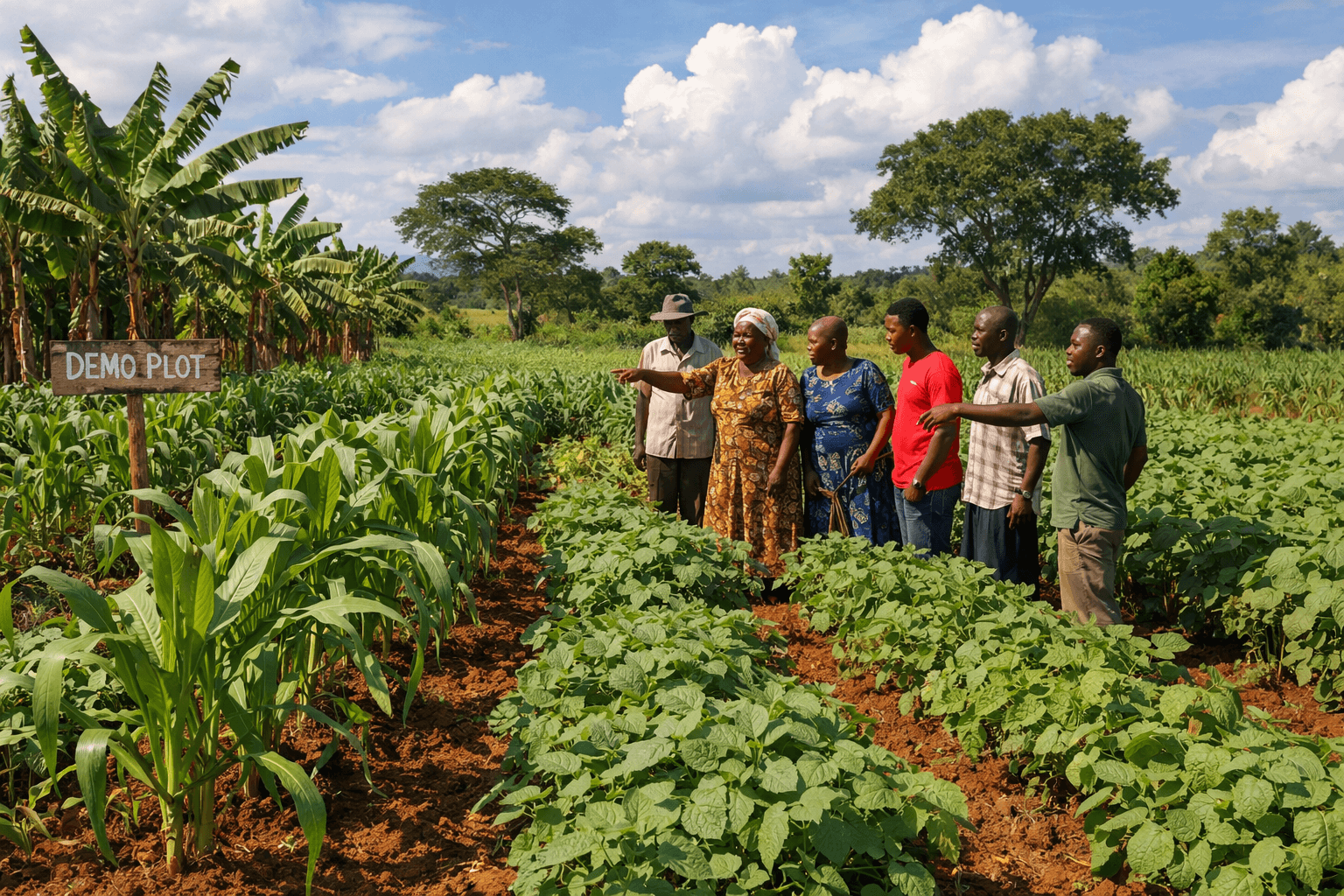
Help farmers shift toward sustainable production systems through demonstration, peer learning, structured follow-up, and evidence of adoption.
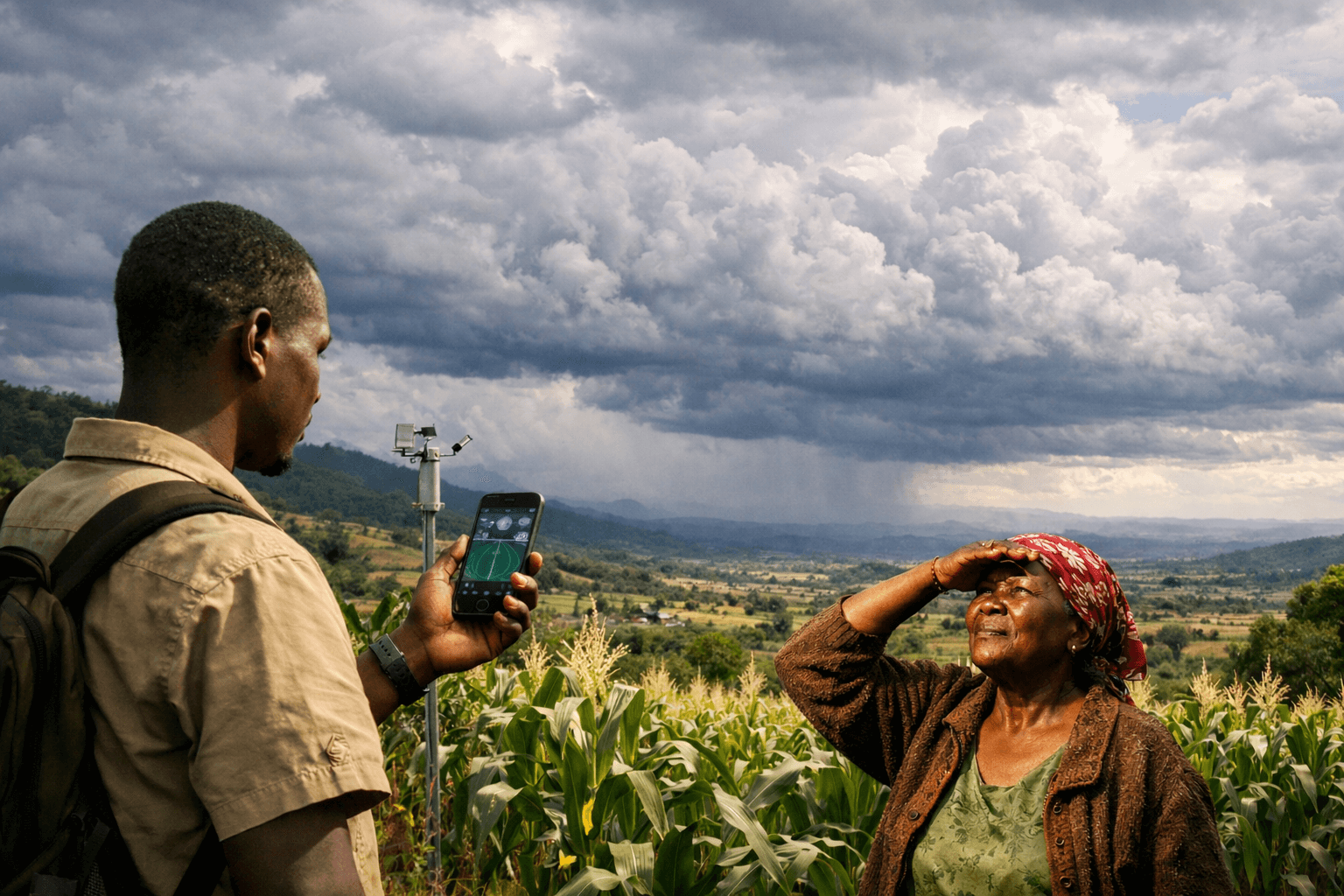
Connect weather signals, local risk information, and rapid farmer communication to support anticipatory action before climate shocks deepen losses.
The platform is the operational backbone behind delivery discipline, low-connectivity access, and partner reporting.
AgriRobust is not positioned as generic SaaS. It is an operations-focused platform for agricultural programs that need better farmer reach, disciplined field workflows, and credible reporting.
Farmer registry and segmentation
Designed for real implementation teams working under low-connectivity conditions.
Case management and routing
Designed for real implementation teams working under low-connectivity conditions.
Evidence capture and verification
Designed for real implementation teams working under low-connectivity conditions.
Partner dashboards and exports
Designed for real implementation teams working under low-connectivity conditions.
Trust is built through clear standards, visible methodology, and practical examples of how delivery is verified.
Records connect action, location, timing, and status so partners can understand what was actually delivered.
Inclusion is measured inside the workflow, not left as a branding claim after the fact.
Spot-checks, supervisor review, and methodology notes strengthen trust in every reporting cycle.
A structured review of visit completion records, field metadata, and supervisor checks used to confirm delivery quality during pilot operations.
A practical example of how issue-based support, repeat follow-up, and household-level evidence can be linked in women-focused advisory programming.
Women and youth are not treated as a sidebar. They are central to program design, service delivery, and outcome tracking.
Women and youth are treated as central participants in design, delivery, and outcome tracking.
Program pathways can prioritize women-led groups, youth cohorts, and underserved households in the service flow.
Reporting makes inclusion visible through participation, follow-up, and outcome indicators.
AgriRobust is intentionally building from a concentrated East African base before expanding into additional African corridors.
Uganda, Kenya, and Tanzania are the core launch corridor, with Rwanda as a near-term extension path.
A focused geography improves localization, partner coordination, field learning, and proof before expansion.
Validated workflows can later extend into West and Southern Africa through partner-led regional playbooks.
Different institutional visitors need different entry points. The website should make those paths clear instead of forcing everyone into the same pitch.
Strengthen public extension delivery with clearer workflows, visibility, and reporting discipline.
Co-design pilots and operational systems that improve follow-up, accountability, and field learning.
Improve member-service tracking, governance visibility, and support delivery through local structures.
Assess a credible service-delivery model that makes impact claims legible through evidence and method.
Contribute specialized capabilities in geospatial analysis, AI support, integration, or evidence tooling.